Full Body MRI Scans in Melbourne

Advanced full body MRI scans give you a clear picture of your health. They can spot structural problems and early-stage diseases years before you feel sick. By examining more areas than regular check-ups, this imaging helps find early warning signs. It tracks how your entire body’s internal systems are working and guides you toward better health choices for the long run.

Regular medical scans only check for problems after you are symptomatic. The comprehensive scans that are part of our toolkit help you stay ahead of health issues. It focuses on keeping you healthy through early detection instead of just treating advanced illness.
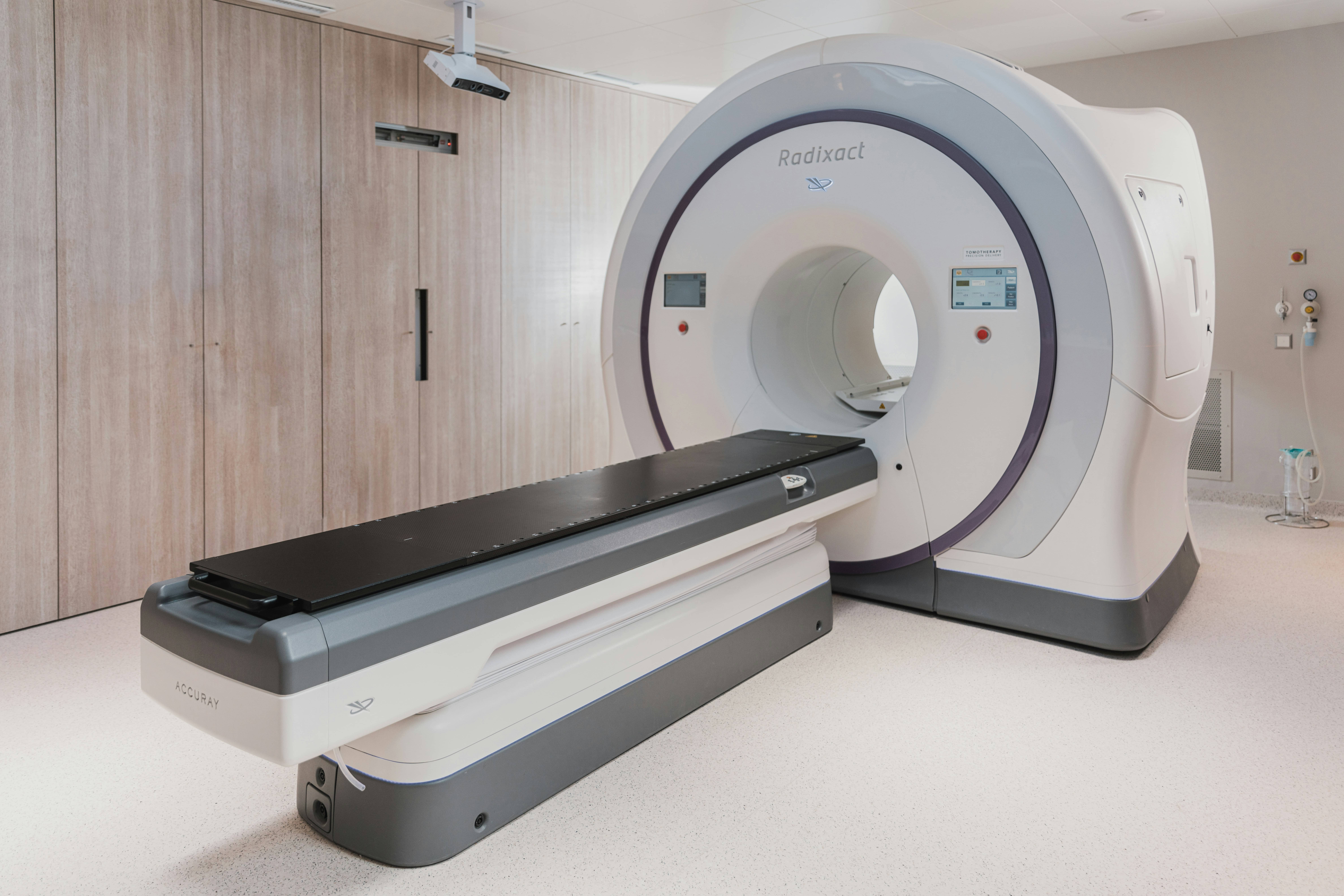
What Is a Full Body MRI Scan?

Comprehensive MRI screening covers more than basic X-rays or targeted scans. Regular scans often only catch illness after it causes pain. Advanced screening checks for early signs your major organs or vascular system might be struggling. It measures things like:

  • Early-stage cancer and tumour detection
  • Brain health and neurodegenerative risks
  • Silent vascular issues and aneurysm screening
  • Major organ health, including the liver, kidneys, and pancreas
  • Spinal health and musculoskeletal integrity
  • Inflammation and lymph node changes

This approach results in detailed imaging that is used to find hidden problems before they become serious. The goal isn’t just finding disease. It’s understanding your anatomical risk factors and finding ways to improve your health outcomes.

Our Framework: Six Core Scan Regions

To make your results easy to understand at a glance, our toolkit organises your full body MRI findings into six core scan regions. This allows you to see exactly where your health stands without being overwhelmed by data.

Neck & Chest

Focus Markers

Purpose

Neck & Chest
Thyroid, lymph nodes, lung tissue
Detecting nodules, structural thyroid issues, and lymphatic changes before they become a concern.

Focus Markers

Thyroid, lymph nodes, lung tissue

Purpose

Detecting nodules, structural thyroid issues, and lymphatic changes before they become a concern.
Neck & Chest

Focus Markers

Thyroid, lymph nodes, lung tissue

Purpose

Detecting nodules, structural thyroid issues, and lymphatic changes before they become a concern.
Spine & Musculoskeletal

Focus Markers

Purpose

Spine & Musculoskeletal
Disc health, joint integrity, inflammation markers
Identifying structural degeneration, disc herniation, and silent joint inflammation early.

Focus Markers

Disc health, joint integrity, inflammation markers

Purpose

Identifying structural degeneration, disc herniation, and silent joint inflammation early.
Spine & Musculoskeletal

Focus Markers

Disc health, joint integrity, inflammation markers

Purpose

Identifying structural degeneration, disc herniation, and silent joint inflammation early.
Pelvic & Reproductive

Focus Markers

Purpose

Pelvic & Reproductive
Prostate (men), ovarian and uterine health (women)
Early detection of reproductive organ abnormalities and sex-specific screening.

Focus Markers

Prostate (men), ovarian and uterine health (women)

Purpose

Early detection of reproductive organ abnormalities and sex-specific screening.
Pelvic & Reproductive

Focus Markers

Prostate (men), ovarian and uterine health (women)

Purpose

Early detection of reproductive organ abnormalities and sex-specific screening.
Abdominal Organs

Focus Markers

Purpose

Abdominal Organs
Liver, kidneys, pancreas, spleen
Screening for organ-specific diseases such as fatty liver, cysts, or early lesions.

Focus Markers

Liver, kidneys, pancreas, spleen

Purpose

Screening for organ-specific diseases such as fatty liver, cysts, or early lesions.
Abdominal Organs

Focus Markers

Liver, kidneys, pancreas, spleen

Purpose

Screening for organ-specific diseases such as fatty liver, cysts, or early lesions.
Vascular & Cardiac

Focus Markers

Purpose

Vascular & Cardiac
Coronary arteries, aortic aneurysm, major blood vessels
Identifying silent cardiovascular risks and vessel abnormalities that standard check-ups miss.

Focus Markers

Coronary arteries, aortic aneurysm, major blood vessels

Purpose

Identifying silent cardiovascular risks and vessel abnormalities that standard check-ups miss.
Vascular & Cardiac

Focus Markers

Coronary arteries, aortic aneurysm, major blood vessels

Purpose

Identifying silent cardiovascular risks and vessel abnormalities that standard check-ups miss.
Brain & Neurological

Focus Markers

Purpose

Brain & Neurological
Structural abnormalities, neurodegenerative markers, stroke risk
Detecting early-stage neurological changes and screening for tumours or aneurysms before symptoms appear.

Focus Markers

Structural abnormalities, neurodegenerative markers, stroke risk

Purpose

Detecting early-stage neurological changes and screening for tumours or aneurysms before symptoms appear.
Brain & Neurological

Focus Markers

Structural abnormalities, neurodegenerative markers, stroke risk

Purpose

Detecting early-stage neurological changes and screening for tumours or aneurysms before symptoms appear.

Why a Full Body Scan Matters

Your internal anatomy tells the story of what's happening inside your body. Advanced imaging in Melbourne lets our medical team:

  • Spot certain disease risks before you feel any symptoms
  • Get clear answers about organ, brain, and vascular health
  • Make smart decisions about lifestyle changes or further proactive health monitoring
  • Track your internal health history over time instead of just one-time checks

This deeper look helps you make better health choices. Our healthcare professionals explain every finding in plain English so you understand what it all means for your healthspan.

What We Measure

Advanced full body MRI scans look at an extensive range of different organ systems. Each group helps build a complete picture of your health.

Key Scanning Areas

Our full body MRI prioritises the areas that matter most for early detection, including the brain, heart, abdominal organs, and spine. By scanning these high-impact regions in a single session, we can identify silent conditions such as early-stage tumours, aneurysms, and organ abnormalities that standard check-ups cannot detect. This proactive approach gives you a comprehensive baseline of your internal health, enabling timely intervention and long-term monitoring.

Brain & Neurological Health

We check detailed brain markers that go beyond basic physical exams. This helps us see your long-term risk factors for neurological disorders, neurodegenerative issues, and stroke risk. We can spot early signs of structural changes.

Vascular System & Heart Health

Scans show how your coronary arteries and other major blood vessels are working and identify any silent aneurysms. This tells us about cardiovascular risk. These markers help guide better preventative choices.

Abdominal Organ Health

MRI scans check your liver, kidneys, pancreas, and spleen. This monitors your metabolic and organ health. We can often spot problems early, such as fatty liver or early lesions, before they cause symptoms.

Pelvic & Reproductive Health

These markers show the health of internal pelvic organs. For men, this includes detailed prostate screening; for women, it monitors ovarian and uterine health.

Spine & Joint Integrity

We measure the health of your spine and joints. This helps find any gaps in your musculoskeletal health, identifying wear and tear or silent inflammation early.

Neck & Chest Health

Tests show how well your thyroid and lymph systems are working. We can often identify abnormal nodules or structural issues before they become a concern.

Family History

We believe your genes are not your destiny, but they are an important map. Our medical team looks closely at your family history of cancer, heart disease, or neurological conditions to personalise your scan. If certain conditions run in your family, we can pay extra attention to those specific areas through a family history assessment or genetic testing to ensure nothing is missed and that your screening protocol is truly personalised to your risk profile.

Personalised Precision from Our Diagnostic Tools

While your full body MRI provides a powerful structural foundation, these optional diagnostics offer a deeper layer of insight into specific areas of your biology. They allow you to customise your health journey based on your unique goals or family history.

Genetic & Epigenetic Health

  • ApoE Genetic Test: Gain clarity on your genetic predisposition for Alzheimer’s disease and lipid disorders. Knowing your status allows you to implement specific brain-health protocols decades in advance.
  • DNA Methylation Test: Go beyond your fixed DNA. This test measures your epigenetics, the chemical tags that turn genes on or off, offering a real-time snapshot of how your lifestyle is affecting your gene expression.
  • Preventative Genetic Health Test: A medical-grade screening of 180+ genes linked to preventable cancers and heart conditions. It’s the ultimate proactive tool for those with a complex family history.

Compositional & Metabolic Health

  • DEXA Scan: Stop focusing on the scale. A DEXA scan provides the gold standard in body composition, measuring exactly how much muscle, bone, and visceral fat (the dangerous fat around your organs) you have.
  • Continuous Glucose Monitor (CGM): See how your body reacts to food in real-time. This wearable sensor tracks how specific meals, sleep, and stress affect your blood sugar, helping you build a personalised nutrition plan.
  • VO2 Max & Metabolic Rate Testing: Measure your peak aerobic capacity and resting metabolic rate to understand your cardiovascular fitness and optimise your training and recovery strategies.

Advanced Blood Testing & Biomarker Analysis

  • Comprehensive Blood Panel: Pair your imaging with over 80 advanced biomarkers, including ApoB, Lipoprotein(a), and Fasting Insulin, to detect cardiovascular and metabolic risks that imaging alone cannot reveal.
  • Hormonal & Thyroid Profiling: Assess your thyroid function, stress hormones, and sex hormones to understand how hormonal balance is affecting your energy, mood, and long-term vitality.
  • Cancer Marker Screening: Blood-based cancer markers complement your MRI imaging to provide a more complete early detection picture across multiple cancer types.

Sleep and Functional Cognition

  • Overnight Polysomnography: The gold-standard sleep study used to diagnose obstructive sleep apnoea, a major but often overlooked cause of cognitive injury through intermittent oxygen deprivation.
  • Digital Cognitive Assessment: A validated, repeatable measure of memory, attention, and processing speed. Provides a functional baseline to track over time alongside your biomarkers.

Genetics and Epigenetics

  • APOE Genotype: Identifies the APOE variant you inherited, which shapes lipid handling and Alzheimer's susceptibility. Knowing your status helps us calibrate how aggressively to manage your vascular and metabolic buffer.
  • LPA Gene Analysis: Sequencing of the LPA gene, which controls 80 to 90 per cent of your lipoprotein(a) level. Elevated Lp(a) is a known driver of stroke and vascular dementia risk.
  • Familial Hypercholesterolemia (FH) Panel: Screens for inherited causes of very high LDL cholesterol. When FH and elevated cognitive risk overlap, the combination warrants the most aggressive prevention strategy.
  • Preventative Genetic Health Test: A medical-grade screen of 180+ genes linked to preventable neurological, cardiovascular, and oncologic conditions. A valuable layer when family history is broad or difficult to interpret.

Metabolic and Body Composition

  • DEXA Scan: The gold standard for measuring visceral fat, the fat around your organs that drives systemic inflammation and compounds every metabolic risk factor for cognitive decline.
  • Continuous Glucose Monitor (CGM): A short-term wearable that shows how food, sleep, and stress move your blood sugar in real time. Tight glucose control is one of the highest-leverage brain protections available.
  • VO2 Max and Cardiorespiratory Fitness Testing: An objective measure of your cardiovascular fitness, currently one of the strongest modifiable predictors of long-term brain health and cognitive survival.

Advanced Brain and Vascular Imaging

  • Brain MRI with Volumetric Analysis: Measures hippocampal volume, cortical thickness, and white matter hyperintensities. For anyone with elevated vascular risk or memory concerns, this reveals whether cumulative damage has already translated into measurable brain change.
  • Carotid Intima-Media Thickness (CIMT): A non-invasive ultrasound that visualises early thickening and plaque in the arteries feeding the brain. One of the earliest structural signs of vascular-driven cognitive risk.
  • Coronary Artery Calcium (CAC) Score: A low-dose CT that quantifies calcified plaque inside your coronary arteries. Because what damages the heart vessels damages the brain vessels, this is a valuable signal of silent cerebrovascular risk.

Genetic & Epigenetic Testing

  • LPA Gene Analysis: Sequencing of the LPA gene, which controls 80 to 90 per cent of your Lp(a) level. Includes kringle IV repeat variation, the structural feature that influences both particle size and circulating concentration.
  • Familial Hypercholesterolemia (FH) Panel: Screening for inherited causes of very high LDL cholesterol. When FH and elevated Lp(a) occur together, the combination can drive premature cardiovascular disease and warrants the most aggressive prevention strategy.
  • ApoE Genetic Test: Reveals the ApoE genotype you inherited, which shapes both lipid handling and long-term brain health. Knowing this helps us calibrate how hard to target LDL and ApoB alongside your Lp(a).
  • Preventative Genetic Health Test: A medical-grade screen of 180+ genes linked to preventable cardiovascular and oncologic conditions. A valuable layer when your Lp(a) is high and your family history is broad or difficult to interpret.

Metabolic & Body Composition

  • DEXA Scan: The gold standard for measuring visceral fat, the fat around your organs that drives systemic inflammation and compounds every effect Lp(a) has on your vessel walls.
  • Continuous Glucose Monitor (CGM): A short-term wearable that shows how food, sleep, and stress move your blood sugar in real time. When Lp(a) is elevated, tight metabolic control is one of the highest-leverage protections available to you.
  • VO2 Max & Cardiorespiratory Fitness Testing: An objective measurement of your cardiovascular fitness, currently the strongest modifiable predictor of long-term cardiac survival and a critical counterweight to inherited Lp(a) risk.

Advanced Cardiovascular Imaging

  • Coronary Artery Calcium (CAC) Score: A low-dose CT that quantifies calcified plaque inside your coronary arteries. For anyone with elevated Lp(a), this is the single most important follow-up test, it reveals whether your inherited risk has already translated into measurable arterial damage.
  • Advanced Cardiac Imaging (CTCA): A non-invasive CT coronary angiogram that visualises both calcified and soft plaque. This is the definitive next step when your CAC score is elevated or when your family history is significant.
  • Aortic Valve Screening: Targeted echocardiography to detect early aortic valve calcification and stenosis, two conditions that elevated Lp(a) is known to accelerate silently over decades.

Genetic & Epigenetic Health

  • ApoE Genetic Test: Gain clarity on your genetic predisposition for Alzheimer’s disease and lipid disorders. Knowing your status allows you to implement specific brain-health protocols decades in advance.
  • DNA Methylation Test: Go beyond your fixed DNA. This test measures your epigenetics, the chemical tags that turn genes on or off, offering a real-time snapshot of how your lifestyle is affecting your gene expression.
  • Preventative Genetic Health Test: A medical-grade screening of 180+ genes linked to preventable cancers and heart conditions. It’s the ultimate proactive tool for those with a complex family history.

Compositional & Metabolic Health

  • DEXA Scan: Stop focusing on the scale. A DEXA scan provides the gold standard in body composition, measuring exactly how much muscle, bone, and visceral fat (the dangerous fat around your organs) you have.
  • Continuous Glucose Monitor (CGM): See how your body reacts to food in real-time. This wearable sensor tracks how specific meals, sleep, and stress affect your blood sugar, helping you build a personalised nutrition plan.
  • VO2 Max & Metabolic Rate Testing: Measure your peak aerobic capacity and resting metabolic rate to understand your cardiovascular fitness and optimise your training and recovery strategies.

Advanced Blood Testing & Biomarker Analysis

  • Comprehensive Blood Panel: Pair your imaging with over 80 advanced biomarkers, including ApoB, Lipoprotein(a), and Fasting Insulin, to detect cardiovascular and metabolic risks that imaging alone cannot reveal.
  • Hormonal & Thyroid Profiling: Assess your thyroid function, stress hormones, and sex hormones to understand how hormonal balance is affecting your energy, mood, and long-term vitality.
  • Cancer Marker Screening: Blood-based cancer markers complement your MRI imaging to provide a more complete early detection picture across multiple cancer types.

Genetic Testing

  • Amino Acid Analysis: A detailed assessment of 20+ amino acids to optimise protein absorption, neurotransmitter production (mood/focus), and recovery from physical and mental demands.
  • DNA Methylation Test: Go beyond your fixed DNA. This test measures your “epigenetics,” the chemical tags that turn genes on or off, offering a real-time snapshot of how your leadership lifestyle is affecting your gene expression and biological ageing.
  • ApoE Genetic Test: Gain clarity on your genetic predisposition for Alzheimer’s disease and lipid disorders. Knowing your status allows you to implement specific brain-health protocols decades in advance.
  • Preventative Genetic Health Test: A medical-grade screening of 180+ genes linked to preventable cancers and heart conditions. The ultimate proactive tool for executives with a complex family history.

Body Composition & Metabolic Wellbeing

  • DEXA Scan: Move beyond the scale. A DEXA scan provides the gold standard in body composition, measuring exactly how much muscle, bone, and “visceral fat” (the dangerous fat around your organs) you carry, helping you understand your true biological readiness.
  • Continuous Glucose Monitor (CGM): See how your body reacts to food, stress, and sleep in real-time. This wearable sensor tracks how specific meals and meeting-heavy days affect your blood sugar, helping you build an energy strategy tailored to your executive schedule.
  • Microbiome & Gut Health: An in-depth analysis of your gut’s microbial diversity. This helps solve chronic bloating and energy production issues by identifying the specific bacteria influencing your immune system, mood, and cognitive performance.

Complete Medical Imaging

  • Whole Body Cancer Screening: Using cutting-edge full-body MRI and Chest CT technology, this scan looks for early-stage cancers, aneurysms, and silent organ issues that are invisible to standard corporate health checks.
  • Advanced Cardiac Imaging (CTCA): This non-invasive scan allows us to look inside your coronary arteries to see if plaque has already started to form, providing much more certainty than a blood test alone for executives with high-stress lifestyles.
  • Skin Check+: A clinical-grade, head-to-toe assessment using high-resolution imaging to catch “at-risk” moles and lesions before they become dangerous.

Advanced Medical Imaging

  • Whole Body Cancer Screening: Using cutting-edge full-body MRI and Chest CT technology, this scan looks for early-stage cancers, aneurysms, and silent organ issues that are invisible to the naked eye.
  • Advanced Cardiac Imaging (CTCA): This non-invasive scan allows us to look inside your coronary arteries to see if plaque has already started to form, providing much more certainty than a blood test alone.
  • Skin Check+: A clinical-grade, head-to-toe assessment using high-resolution imaging to catch "at-risk" moles and lesions before they become dangerous.

Body Composition & Metabolic Health

  • DEXA Scan: Stop focusing on the scale. A DEXA scan provides the gold standard in body composition, measuring exactly how much muscle, bone, and "visceral fat" (the dangerous fat around your organs) you have.
  • Continuous Glucose Monitor (CGM): See how your body reacts to food in real-time. This wearable sensor tracks how specific meals, sleep, and stress affect your blood sugar, helping you build a "diet for one."
  • Microbiome & Gut Health: An in-depth analysis of your gut's microbial diversity. This helps solve chronic bloating and energy production issues by identifying the specific bacteria influencing your immune system and mood.

Genetics & Epigenetics

  • Amino Acid Analysis: A detailed assessment of 20+ amino acids to optimise protein absorption, neurotransmitter production (mood/focus), and muscle recovery.
  • DNA Methylation Test: Go beyond your fixed DNA. This test measures your "epigenetics", which are the chemical tags that turn genes on or off, offering a real-time snapshot of how your lifestyle is affecting your gene expression.
  • ApoE Genetic Test: Gain clarity on your genetic predisposition for Alzheimer’s disease and lipid disorders. Knowing your status allows you to implement specific brain-health protocols decades in advance.
  • Preventative Genetic Health Test: A medical-grade screening of 180+ genes linked to preventable cancers and heart conditions. It’s the ultimate proactive tool for those with a complex family history.

Who Full Body MRI Screening Is For

Advanced MRI screening works well for anyone who wants to take charge of their health in Melbourne. This includes:

  • People who want to prevent overall health problems and stay healthy longer
  • Those with a family or medical history of cancer, brain aneurysms, or neurological conditions
  • Busy professionals, athletes, or anyone wanting valuable insights and clear health information
  • People who feel fine but want to know more than basic physical tests can tell them

Whether you have specific concerns or medical conditions, or just want to invest in staying healthy, full body MRI screening gives you useful information you can act on.

How the Process Works

Our MRI screening process is easy and straightforward. A registered physician oversees all your diagnostic tests.

Book Your Discovery Call

Determine if a full body MRI scan is right for your health goals.

Attend Your Scan

Visit our premium Melbourne clinic for a stress-free experience.

Comprehensive Analysis

Experienced medical professionals review your overall health data alongside your imaging.

Get Your Results

Receive easy-to-understand explanations of what your results mean and what to do next.

Tracking Your Health Over Time

Your health changes constantly. One of the best parts of comprehensive MRI screening is seeing how your internal anatomy changes over time.

By checking the same systems regularly, we can see if things are stable or changing. We can spot new disease risks and areas that need attention. This approach focused around timely intervention helps you stay healthy instead of waiting for problems.

Pricing & Screening Packages

Our full body MRI scanning packages give you detailed information and good value. Each option includes complete analysis and a medical review.

Our Melbourne team can help you pick the right package for your health goals. We believe in clear pricing with no hidden costs.

Extra Testing Options

Depending on your results and goals, you might benefit from other diagnostic tests like:

  • Advanced blood testing and biomarker analysis
  • VO2 max and metabolic rate testing
  • Continuous glucose monitoring

These extra tests give you an even more comprehensive health check, and help create personalised longevity plans.

Take Control of Your Health Before Problems Start

A comprehensive scan gives you the tools to understand your health better. Find specific risk factors early, track important changes, and take steps toward better long-term health.

Call us at (03) 7043 7273 or book a discovery call to ask about your full body MRI in Melbourne today. Our team is here to help you learn more.

Who Full Body MRI Screening Is For

What if I have metal implants or medical devices?

Safety is our first priority. Because an MRI uses powerful magnets, some metal implants (like pacemakers or certain surgical clips) may be affected. Most modern joint replacements and dental work are non-magnetic and safe. Our team will complete a safety screening with you beforehand to identify any potential risks and ensure any implants are compatible with the MRI environment.

Can you send my results back to my regular healthcare provider?

While we provide a comprehensive review of your results within our framework, we are happy to share your imaging reports and health data with your regular GP or other specialists. This ensures your entire healthcare team is kept informed and can work together to support your long-term health plan.

Can I use private health insurance or Medicare?

Preventative screening is currently an out-of-pocket investment in Australia. Our team can help explain the costs and the long-term value of this health investment.

What if I am claustrophobic?

Our partner labs use "wide-bore" machines designed for maximum comfort. Our team is experienced in helping clients who feel nervous about the scanning environment.

Can I compare my results over time?

Yes, our system allows us to track your results over time. This helps monitor internal changes.

How long does the scan take?

The full-body MRI protocol typically takes between 60 and 90 minutes. You can relax and listen to music while the scan is performed.

Is there any risk of radiation exposure?

No, whole body MRI scanners use magnetic fields and radio waves, not ionising radiation. There are no personal health risks associated with the process, and it is entirely safe for regular preventative screening.

Do I need to fast before the scan?

Fasting requirements depend on the specific protocol. Usually, we recommend not eating for 4 hours prior to ensure the best images of your abdominal organs.

Do I need a doctor's referral for a whole body MRI scan?

Our team provides the clinical oversight and will manage the referral to our trusted imaging partners after your initial assessment.